The best version of you is the nicotine-free one.
If you’re between the ages of 12 and 17 and you’re using nicotine—and yes, that includes any form of vaping or oral pouches—there are a few things you should know about what it’s doing to your mental and physical health. By knowing what nicotine does to your body, you’re already giving yourself the tools you need to take the next step and shut the voice of nicotine out for good.
Heard enough already?

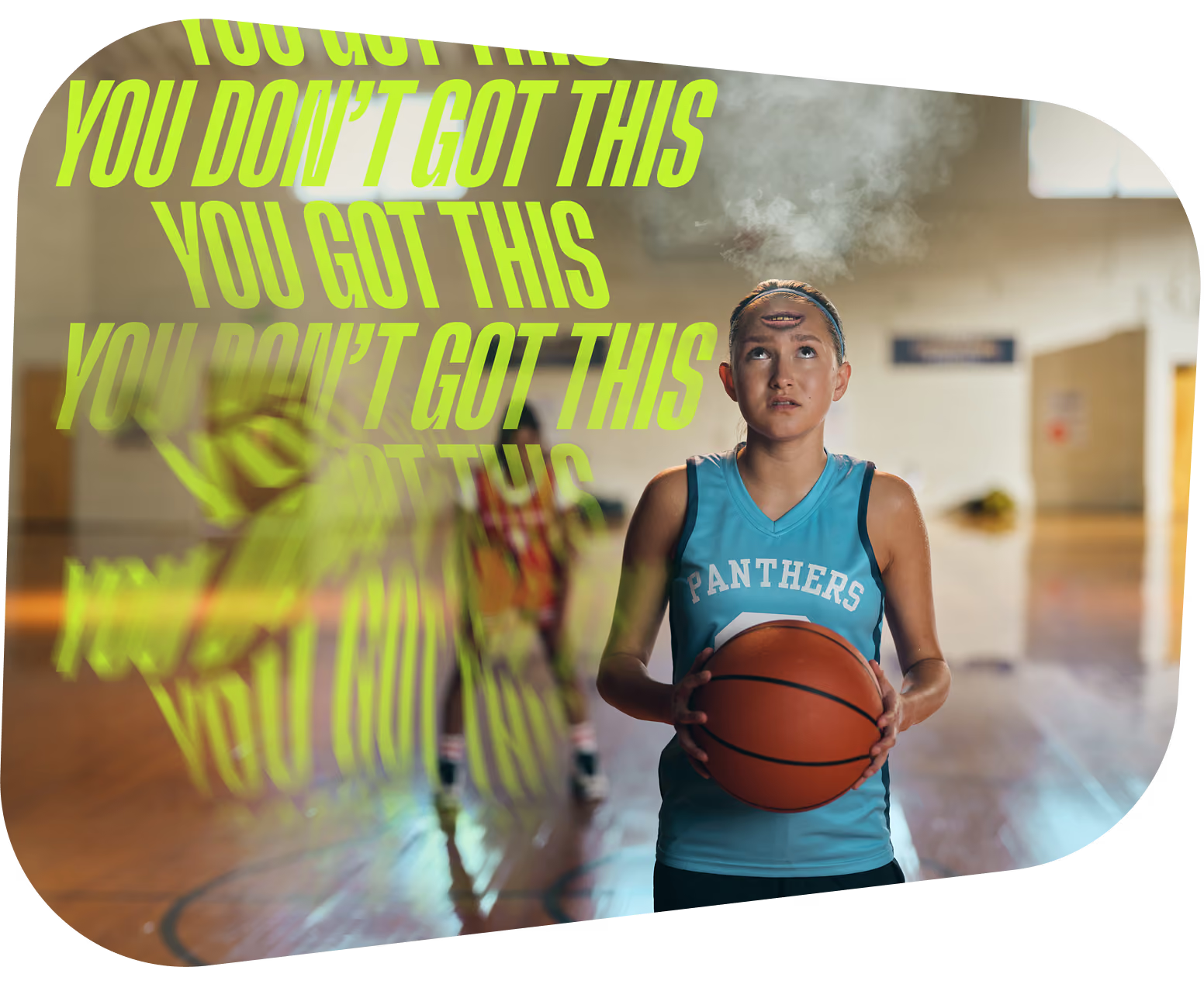
Everyday stress is normal. But nicotine makes it feel worse.
The number one issue our generation says they struggle with is mental health. Specifically stress, anxiety, and depression. Triggers include everything from school and social media to sports and even hormonal changes.
It's normal to feel overwhelmed, stressed, and anxious. The problem is that any form of nicotine, including vapes or oral nicotine pouches, won’t help you manage those feelings in the long run. Nicotine is addictive, so every time you use it, you’re simply relieving the symptoms of withdrawal from your last puff or pouch. This creates a false illusion that vaping calms you down when in reality it’s fueling a cycle that can cause more irritability, anxiety, and restlessness.
The good news? Quitting now can improve your mental health.
How the cycle spirals.
The problem with nicotine is it’s addicting. Even if you don’t vape every day, it doesn’t take long to begin feeling dependent on nicotine. This makes you want to keep reaching for your vape again, which heightens your stress even more, and the cycle continues.
Hitting your vape feeds the overwhelm.
It’s important to remember, nicotine doesn’t provide lasting stress relief. It’s just temporarily relieving the unpleasant feelings of wanting to hit your vape again—irritability, stress, and anxiety. And that relief only lasts for about 20 minutes. Quit completely and you’ll free yourself from the cycle, shutting out the voice of nicotine altogether.


Quit while you’re ahead.
You’ve got your entire life ahead of you. And of all the things you may want to do when you get older, we’re guessing using a vape isn’t one of them. Choosing to quit now isn’t about following the rules or giving up your freedom. It’s about how much more you gain (and how much better you’ll feel) when you shut out the nicotine that’s fueling your stress.

Nicotine is a real drag.
Click on a card below to learn more about nicotine.
Nicotine makes feelings of anxiety worse.
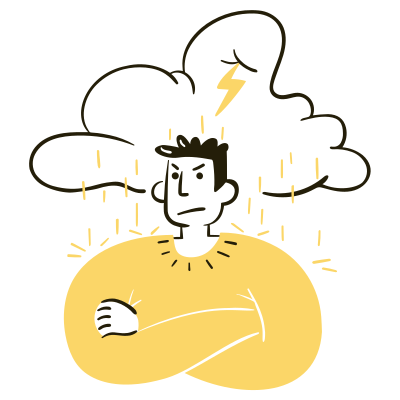
Nicotine makes feelings of anxiety worse.
The reason you vape may be to help cope with everyday stress from school, sports, friend groups, and other normal pressures. But the reality is that using nicotine creates a cycle that can spike anxiousness, intensify symptoms of depression, and trigger stress and irritability.
Nicotine is addicting.
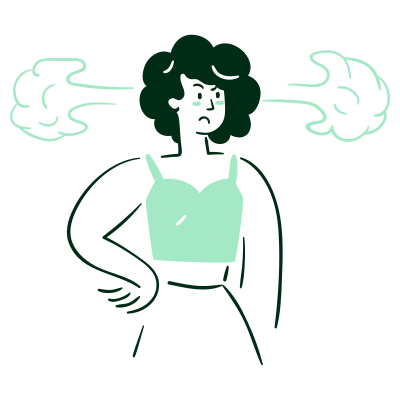
Nicotine is addicting.
No matter what we like to tell ourselves, nicotine in any form is one of the most addictive substances on the planet. And you don’t even have to vape regularly to get hooked. Even more troubling? Using nicotine in your teens can prime the brain for developing dependence on other substances later in life.
Nicotine rewires your brain.
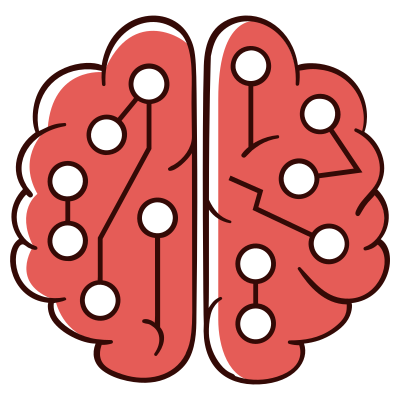
Nicotine rewires your brain.
Because your brain is still developing, using nicotine in your teens can actually alter its chemistry—affecting how your brain is wired to feel pleasure, handle stress, or depend on other substances to make you feel okay.
Vaping is bad for your health.
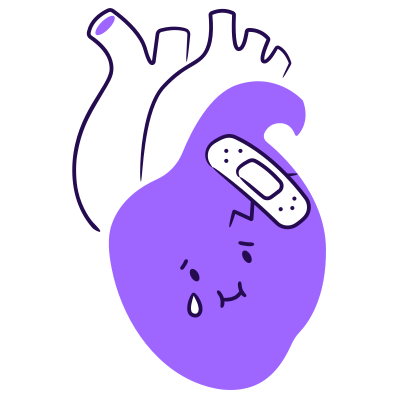
Vaping is bad for your health.
The primary ingredients in vapes include some pretty bad stuff like propylene glycol (you may know this as antifreeze), vegetable glycerin, acrolein, acetaldehyde and formaldehyde. Some of these chemicals, like propylene glycol, can cause airway, throat, and eye irritation and can trigger asthma. Others can cause DNA damage. This damage is what scientists point to when they say that using vapes can affect how you look, feel and perform when the pressure is on.
Vaping is terrible for the planet.
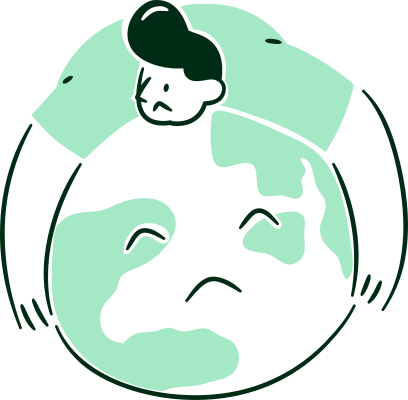
Vaping is terrible for the planet.
Just like any single-use plastics, vape cartridges never fully biodegrade. When tossed in the trash, a landfill or even worse—just on the street—they can leak harmful heavy metals that contaminate waterways, soil, and our ecosystem.
Quitting is hard, but depending on why you vape, here are some tips that can really help.
Pop
Quiz!
You might be surprised by what you learn.
Test your nicotine knowledge.


Nope: It’s called the Nicotine Trap. When teens vape, it temporarily relieves nicotine withdrawal symptoms, giving a false illusion that the vape is calming them down. In reality, it’s the cycle of continuing to use nicotine that causes irritability, anxiety, and restlessness. Research from Truth Initiative (2021) shows that quitting can reduce anxiety and improve overall mental well-being in the long run.
Scary, but true. The metal components in e-cigarettes degrade over time, leaching the same toxic metals found in industrial pollution and waste. According to a study published by ACS Central Science (2025), inhaling these metals can lead to health problems.
False. According to the U.S. PIRG Education Fund’s Vape Waste report (2022), it’s ~4.5 disposable vapes per second. Because access to proper disposal or recycling is virtually non-existent, thousands of used pods and devices get tossed every single day.
Read what others have accomplished
If they can do it, so can you.
“For me quitting was pretty smooth. I smashed the device I had, and I was like, ‘I’m done.’ And then I was done. That’s when I quit. I was just like, ‘All right, I’m done.’”
- Bailey
“Think about who you were before this and remind yourself that the core of that person is still there. You can do this.”
– Siobahn
“If you feel like you are having a craving, find an alternative. Great alternatives are drawing, taking a walk, or talking to a family/friend.”
– Christina
“When I feel the urge, I get down and do 15 push-ups. Helps you get stronger physically and mentally.”
– Nate
“Chew a lot of gum – it helps keep your mouth busy to prevent cravings.”
– Lizzie B.
“Start by not taking your JUUL with you places and soon you won’t even think about it.”
– Bradleighd
“Find a good reason for quitting that affects you personally and hold onto that reason every time you feel like giving in or quitting.”
– Kaegen
Ready to shut nicotine out for good?
Your decision to quit is one your future self will thank you for. And with the support and tools from My Life, My Quit, a program designed by teens for teens, it’s probably easier than you think.
This text-based service and app is completely confidential, meaning you don’t need permission from parents and it’s in no way connected to school administrators or disciplinary tracking systems. Just you, online tools, and your Quit coach to keep you on track.
Step 1
Simply text “Start My Quit” to 36072 to answer a few questions in order to get started. We only ask for basic information so we can personalize your plan and connect you with the right Quit Coach.
Step 2
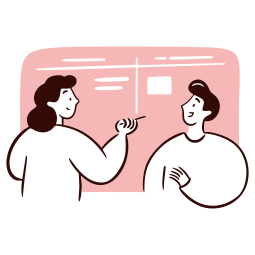
Create a personalized plan on your terms.
Step 3
Track your progress and get one-on-one support from your Quit Coach.

Step 4
Earn badges for completing activities, coach check-ins, and more.
Step 5
Shut nicotine out for good.